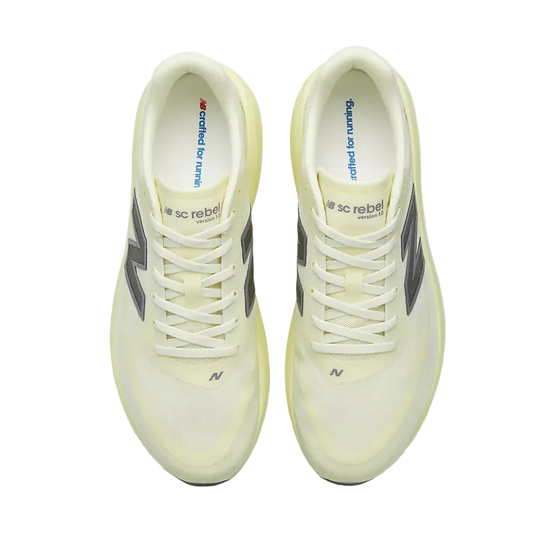
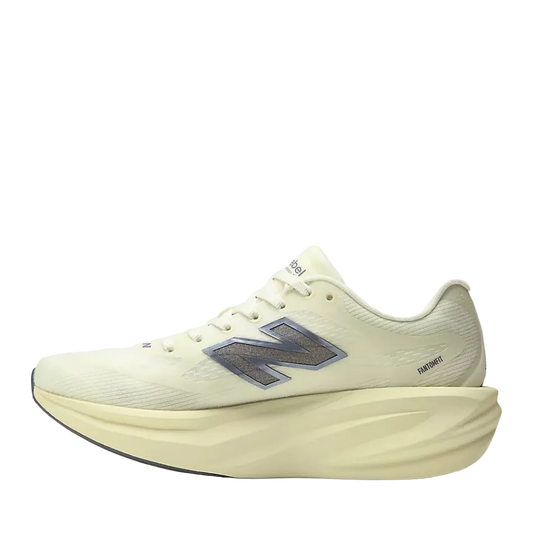
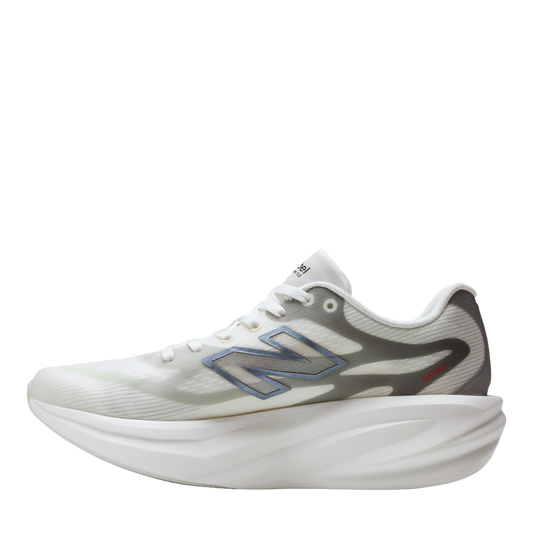
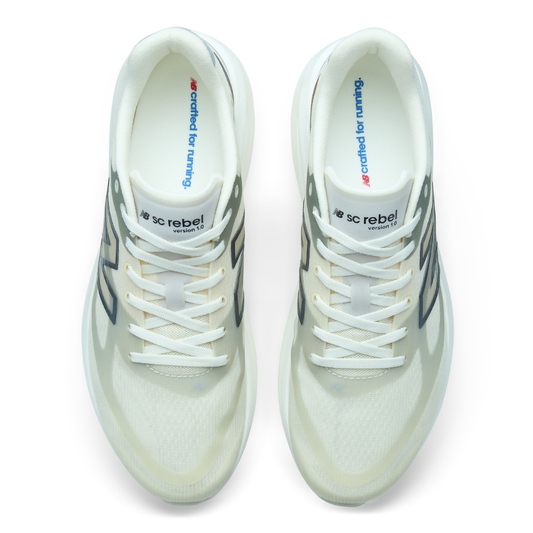
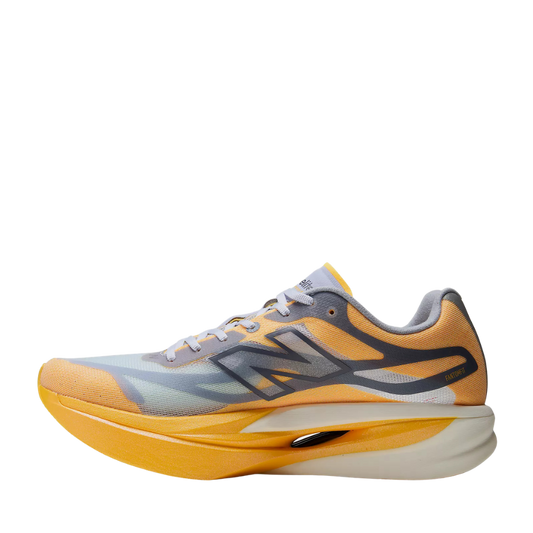
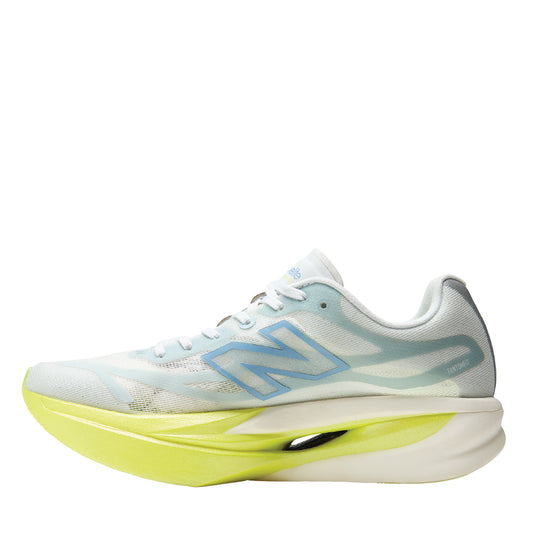
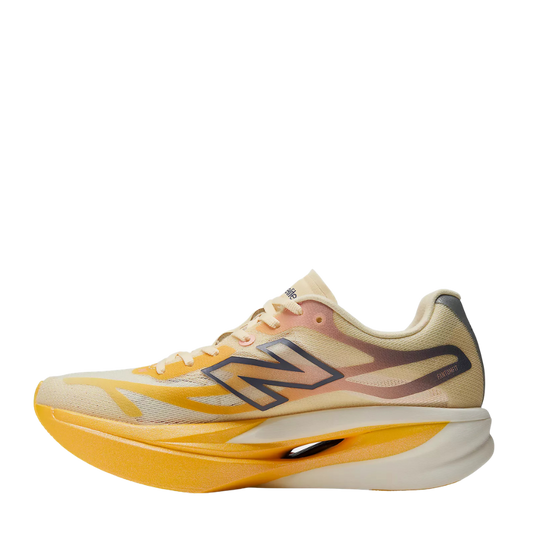
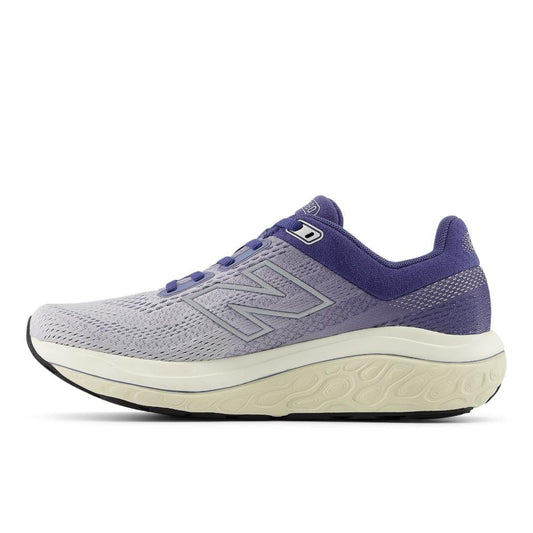
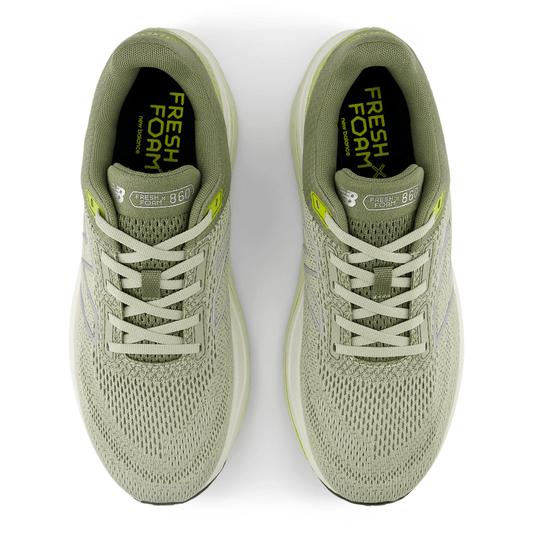
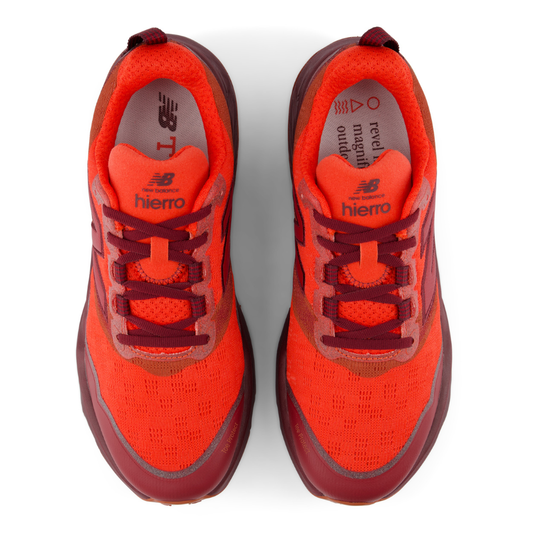
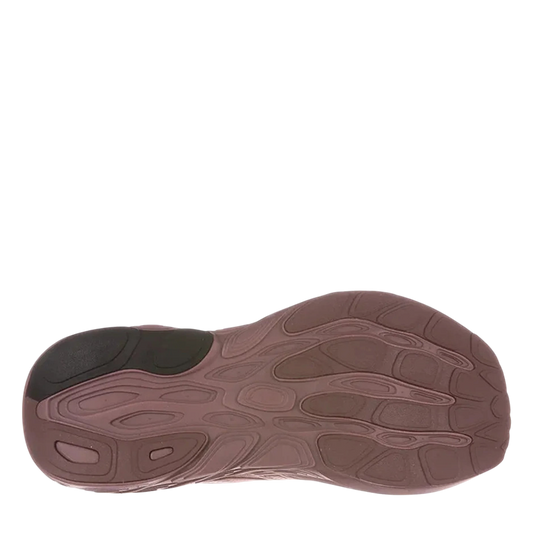
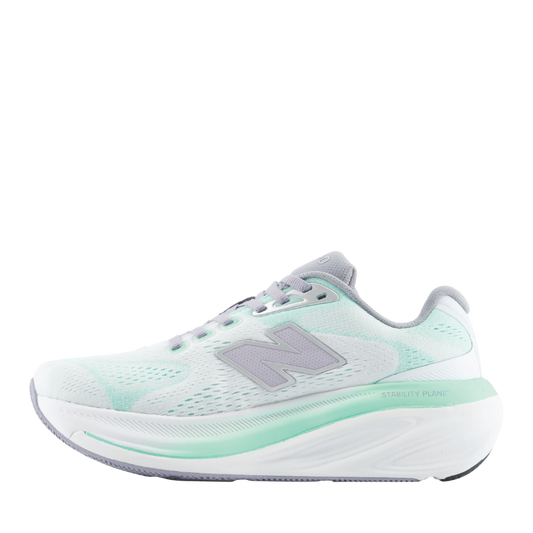
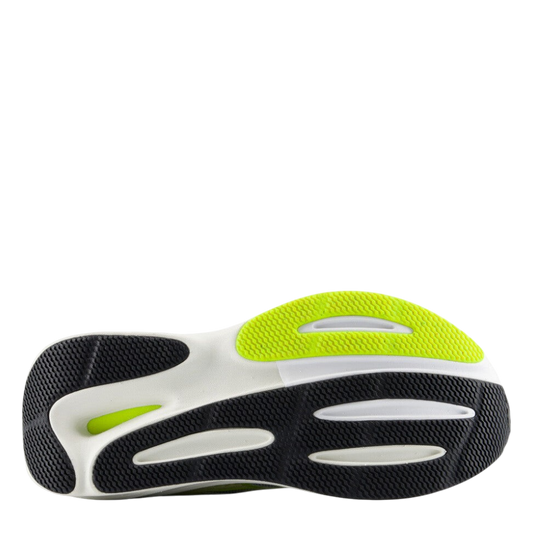
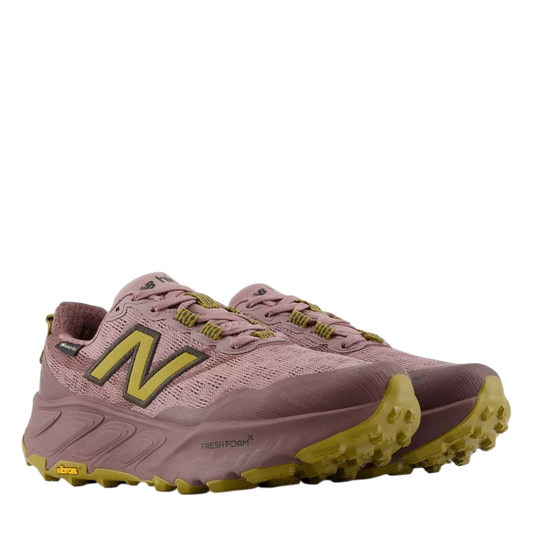
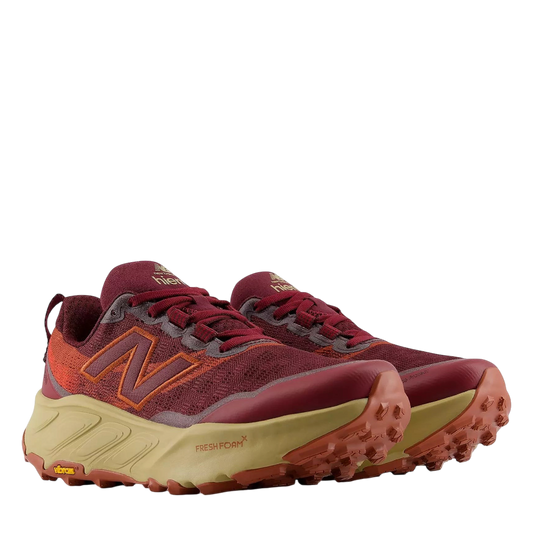
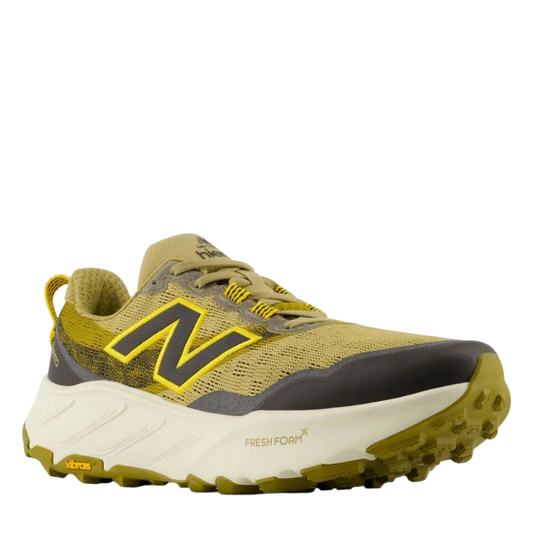
We're still asking ourselves the same question - neutral or stability shoe?
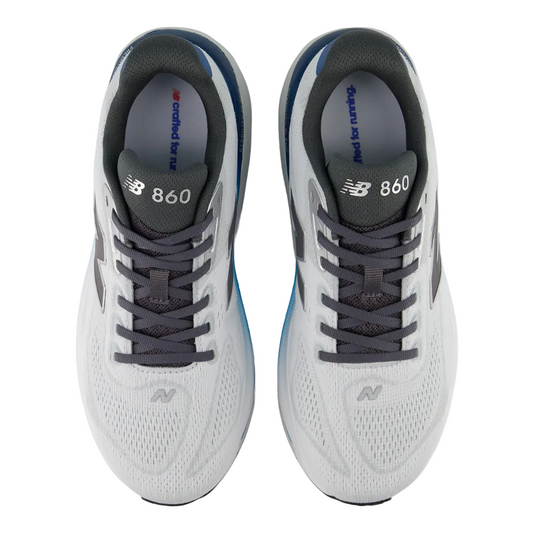
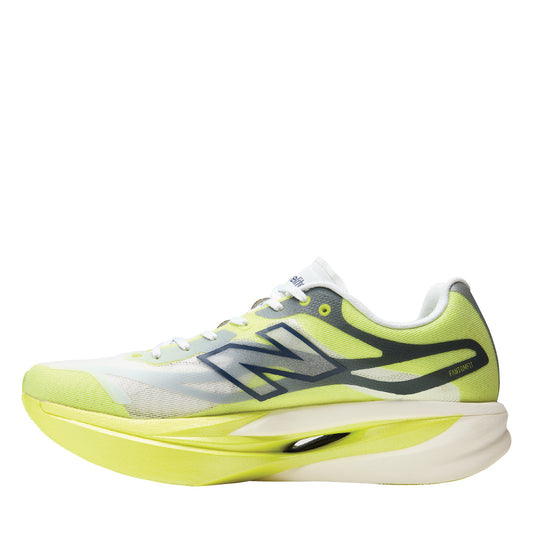
Both types have come a long way and are changing within their traditional categories, with neutral shoes getting more stable and stability shoes getting bouncier. The New Balance 1080 (neutral) and 860 (stability) are two best examples to explain these differences, and help chose the most suitable option to wear for running.
The Verdict:
The New Balance 1080 and 860 are both daily trainers designed for easy and long running. They both have the same 6mm drop and 40mm stack height in the heel. If you have a neutral gait and enjoy a cloud-like underfoot feel, the 1080 would be most appropriate for you. If your feet roll inwards and you need that extra bit of support, the 860 would be your best option. Let's take a deep dive into the technology behind both shoes to further explain their differences.
| 1080 v15 | 860 v15 | |
| Weight |
Men's: 265g Women's: 208g |
Men's: 344g Women's: 263g |
| Drop | 6mm | 6mm |
| Stack Height | 40mm heel & 34mm forefoot | 40mm heel & 34mm forefoot |
| Midsole | Infinion foam | Fresh Foam X |
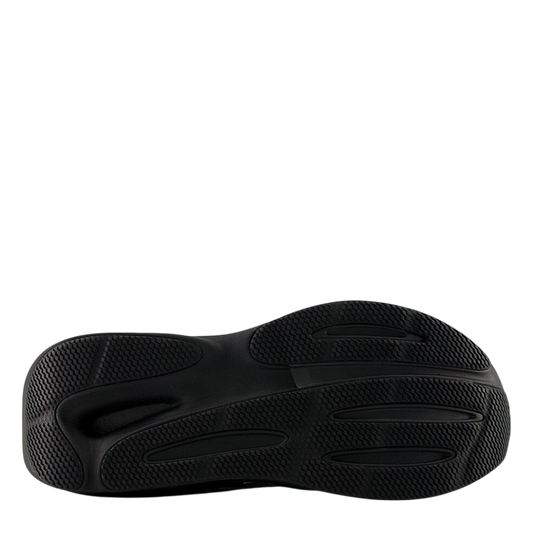
| Outsole | Rubber | Rubber |
| Category | Neutral daily trainer | Supportive daily trainer |
| Best For | Easy runs, long runs and everyday mileage | Easy runs, long runs and everyday mileage |
| RRP | £170 | £150 |
How do the 1080 and 860 differ?
The 1080 is a neutral daily running trainer with a single layer of New Balance's new foam called Infinion, a nitrogen-infused supercritical TPEE-EVA foam that makes up the midsole. The supercritical process used to make this foam involves infuses nitrogen into the midsole to create a lighter and bouncier ride. With that being said, this foam has a softer and energetic under-foot feel to it. The softness feels great when running however, softer foams aren't known for being as laterally stable. To combat this, New Balance have made the base wider as well as adding some additional foam under the arch, which has helped make version 15 of this shoe relatively stable for a neutral trainer.
The 860 is a supportive, stability daily running trainer which has the same wider base as the 1080. The midsole is made up of a dual-density foam which means there are two layers of different foam cushioning. The top layer is Fresh Foam X which helps provide the soft and cushioned under-foot feel. The firmer bottom layer of foam helps to reduce your foot from excessively rolling inward. An asymmetrical plate in the midsole, known as the Stability Plane, sits between the two layers of foam and acts as a resistance for twisting motions to help stabilise your foot better.

We asked our Product Education and Training Specialist, Matt Wright, to review both - check out his video below.
Final Verdict - which shoe should you choose?
They're both cushioned and offer a level of stability. However, the 1080 is bouncier and softer underfoot, while the 860 gives you targeted support where it's needed. Claiming that a shoe is neutral or supportive doesn't always give all the information needed and often pushes people to categorise them. A better way to think about it is to treat each shoe and each runner as an individual. Just because you've needed or wanted stability from your running shoes in the past doesn't mean you should disregard all the neutral options in the market. On the flip side, just because you've always run in a neutral shoe doesn't mean you wouldn't benefit from trying one marketed for stability.
In summary, the 1080 is perfect for that runner who wants something with a little extra bounce in it, as well as the lightweight, flexible feeling that the shoe offers. It would also be suitable for someone looking for very mild lateral stability. The 860 is the go to choice for someone looking to feel more protected on their runs, that will gently guide their gait into a more stable positioning, and also be a fun shoe to run in.
Although the support levels of these two shoes are at opposite ends of the spectrum, there are more crossovers than you'd initially think, and ultimately the decision on which is best comes down to an individual's gait, preferences, training history and any injuries. If you're still unsure then get yourself down to one of our Up and Running stores, speak with our staff and try them both out to see which one you prefer.
As the UK's largest independent running specialist, we have been helping runners for over 30 years. Check out our Shoe Finder to find your nearest store.
If you’re new to running, or if something hasn’t quite felt right lately, book a gait analysis at your nearest Up & Running store.
FAQ
What is the difference between Fresh Foam X and Infinion foam?
Fresh Foam X is a traditional EVA-based foam that has been used across New Balance's range for several years. Known for its soft and comfortable properties, it is considered slightly outdated compared to what is available in the market now. Infinion is a TPEE-based supercritical foam and will essentially be Fresh Foam X's replacement. This foam offers better energy return thanks to its bouncier and lightweight feel, compared to Fresh Foam X. You're essentially getting a higher stack height while the shoe is significantly lighter, which shows how far midsole technology has come.
Is the 860 Stability Plane too stiff and is it too overly corrective?
In short, no. the Stability Plane isn't too stiff and overly corrective. It is a major update over the traditional stiff medial post, and provides effective arch support without it feeling too overbearing or heavy underfoot. It is regarded as being flexible enough that it didn't feel too overly corrective or uncomfortable. Some runners may notice a slightly more planted feel in the v15 compared to the previous version.
Which shoe is better for beginners?
The most honest answer to this question is it depends on the runner's gait however, most beginner runners don't know the answer to this. The first port of call would be a gait analysis to determine what they need.
The 1080 is the better option in terms of a default starting point for most beginner neutral runners. Designed for daily running it is a good option for runners whose bodies are adapting to the load and strain that running puts on the body. New Infinion foam in v15 provides a bouncier and softer underfoot feeling which is beneficial for better energy return and overall comfort.
The 860 is best for beginners who overpronate or need that extra support. The 860 takes a different approach to traditional stability trainers. The support isn't rigid or unnatural, but rather feels like a gentle correction.
The bottom line here is if you're a beginner runner, unsure on where to start but know you have a neutral gait, give the 1080s a go. If you know you roll inwards and need some support, the 860 is the right choice for you. If running is new to you, or if something hasn’t quite felt right lately, book a gait analysis at your nearest Up & Running store.
Do the 1080 and 860 fit true to size?
It is recommended to stick with your normal running shoe size in the 1080 v15 however, there is one nuance worth noting which is the fit has shifted slightly. The slightly slimmer contour through the midfoot and forefoot is noticeable compared to version 14. It's worth noting that the once generous wider fit of the previous version may be missed by some, though a wide fit option is available.
The 860 v15 fit is wide enough to accommodate different foot shapes. The refinement in the midfoot compared to the v14 helps with better security, without loosing the comfortable feel that the 860 is known for. As with the 1080, it is available in regular and wide fittings, and New Balance also offer narrow and extra-wide options, making it one of the more versatile shoes in terms of width availability.