In a rush? Here’s what you need to know:
-
Recovery goes deeper than sore legs. A marathon causes systemic damage to your muscles, immune system, heart, and hormones. Full recovery takes two to six weeks, not the three to five days it takes for soreness to fade.
-
Follow a phased plan. Keep moving and eat within the first hour. Rest actively through week one. Reintroduce easy running in week two. Save hard training for week four at the earliest.
-
Eat for recovery. Carbs and protein within the first hour, anti-inflammatory foods through the first week, and consistent protein for weeks afterwards. This is not the time to diet.
-
Post-marathon blues are real. Up to one in five runners experience low mood after the race. It usually lifts within two to three weeks, but if it lasts beyond four, speak to your GP.
Contents
You just ran 26.2 miles. Your legs are stiff, your brain is foggy, and you're holding a finisher's medal in one hand and a foil blanket in the other. You’ve done the hard part, but what you do over the next few hours, days, and weeks is important.
Marathon recovery is a phase of training in its own right, and those who treat it that way tend to come back stronger, stay healthier, and avoid the injuries that sideline people for months.
In this guide, we’ll look at what happens to your body during a marathon, how long it takes to recover, and what you need to do to stay healthy. Keep reading to learn more…
What happens to your body during a marathon
Before getting into recovery advice, let's understand what you are recovering from.
Running 26.2 miles is one of the more extreme things you can ask a human body to do in a single session, and the damage goes well beyond sore quads
This is what is happening to your body during a marathon:
|
Body system |
What happens |
Note |
|
Muscles |
Micro-tearing accumulates across calves, quads, hamstrings, and glutes over 35,000 to 40,000 strides at two to three times your body weight. |
Markers of muscle damage peak around 24 hours post-race and can stay elevated for six days. This is why your legs feel worse on day two than on race day. |
|
Heart |
Cardiac stress markers spike within hours of finishing. |
Can remain elevated for days. Your cardiovascular system needs recovery time even when your legs feel fine. |
|
Lungs |
Hours of heavy breathing fatigues the respiratory muscles. |
Research suggests they can lose 15 to 25% of their normal function immediately after the race, though this recovers relatively quickly. |
|
Energy |
Glycogen stores are empty. Your muscles and liver store roughly 2,000 calories of glycogen, and a marathon typically burns upwards of 3,000. |
You cross the finish line running on fumes. |
|
Immune system |
Cortisol suppresses immune function, creating an "open window" of vulnerability to infection. |
This is why so many runners get ill in the week after a race. |
|
Hormones |
Testosterone drops, and cortisol stays high. |
The combination can affect mood, sleep, and energy for weeks. |
The point is, even when your legs stop hurting, a lot of deeper physiological repair is still happening. Muscle soreness is a poor gauge of how recovered you actually are. The damage is systemic, and the recovery needs to be too.
How long does it take to recover from a marathon?
There is a rule of thumb that says one day of recovery for every mile raced.
By that logic, a marathon would need 26 days, which is actually not far off and, if anything, is quite conservative.
Muscle soreness typically fades within three to five days, while muscle strength, according to research, takes roughly two weeks to return to normal.
On a cellular level, studies suggest the body may take six to nine days to return to baseline inflammatory markers, while full muscle fibre regeneration can take eight to twelve weeks.
What this means is that you should expect two to four weeks before you are ready for anything resembling structured training, and possibly longer before your body is fully back to its pre-marathon state.
Experienced runners who trained well and raced sensibly tend to recover faster. First-timers, runners who were undertrained, or those who raced through an injury will sit at the longer end.
How to take care of yourself post-marathon
The recovery process for a marathon runner can be split into four phases that cover the major sections of post-marathon recovery:

Phase 1: the first 3 hours
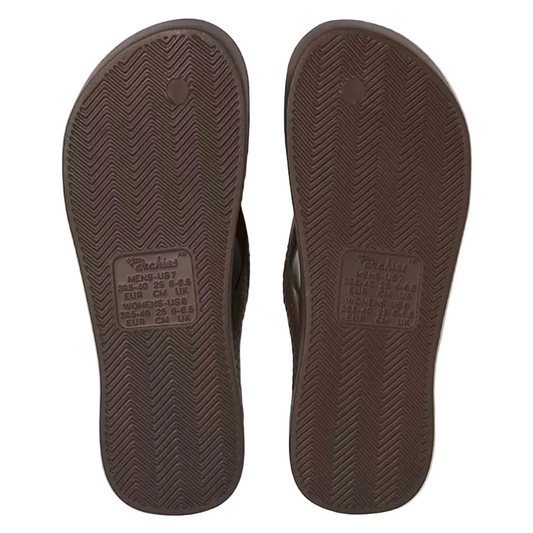
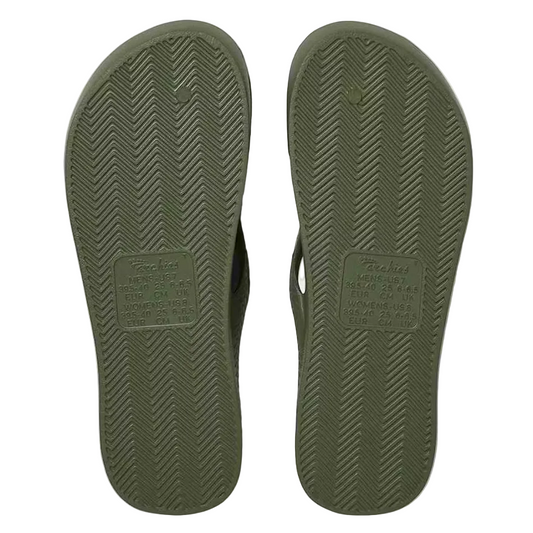
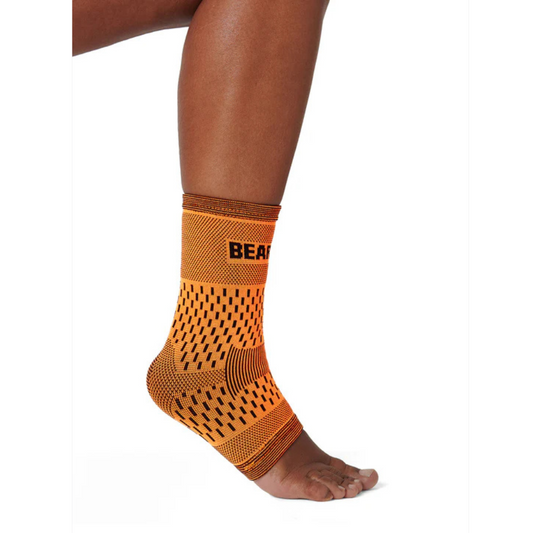
Keep walking for 10 to 15 minutes after you finish. Change into warm, dry clothes as soon as you can. If your feet hurt, recovery footwear can help to take the sting out of every step.
Sip water or electrolytes steadily rather than gulping. Eat a carb-and-protein snack within 30 to 60 minutes. A banana and nuts, a recovery shake, or a smoothie if your stomach is unsettled.
Skip the deep tissue massage and the ice bath. Both can do more harm than good this early.
Phase 2: the first 24 hours
Eat a proper meal within two to three hours. Keep sipping fluids through the day, and go easy on alcohol.
A short, gentle walk later in the day keeps blood flowing without adding stress. Expect poor sleep. A warm bath, magnesium, a dark room, and no screens can help.

Phase 3: week 1
Walking, gentle swimming, and easy cycling. The goal is blood flow without impact. Running is off the table. Your immune system is vulnerable, so wash your hands and get as much sleep as you can.
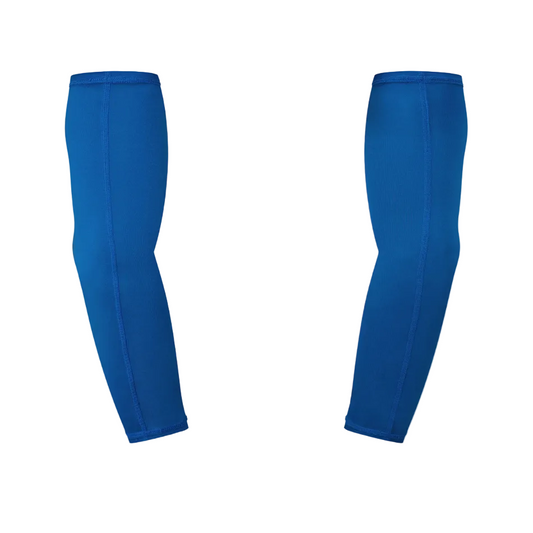
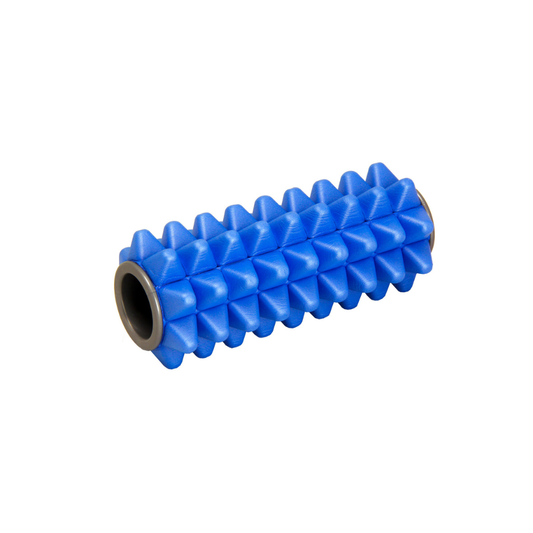
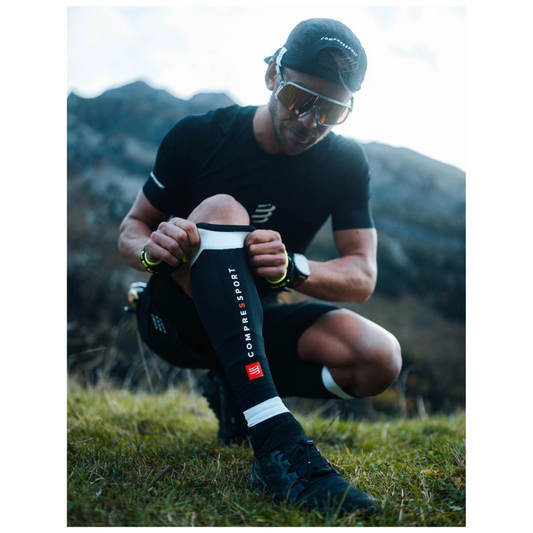
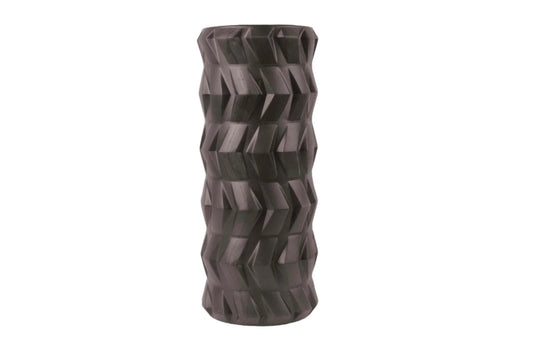
Start gentle foam rolling, with extra time on calves and quads. Wear compression garments if you have them. Check out our compression range. Elevate your legs against a wall for 10 to 15 minutes a few times a day.
If soreness has largely subsided, try a 15 to 20 minute walk/jog. The purpose is to see how your body responds, not to train. If anything feels off, stop. Check out our recovery range to find everything you need.
Aim for eight to nine hours of sleep. Growth hormone, which drives muscle repair, is released primarily during deep sleep.
Phase 4: weeks 2 to 4
Keep runs short (20 to 30 minutes), easy, and on flat terrain. Three to four runs is plenty. No speedwork, no hills, no threshold efforts. Cross-train with swimming, cycling, yoga, or strength work. If a run leaves you feeling worse the next day, back off.
Increase distance or pace, not both at once. Hard training should wait until at least week four, and for many runners week five or six is better.
The aerobic fitness you built during marathon training does not disappear in four weeks. You have far more to lose from coming back too soon than from taking an extra few days off.
What about marathon recovery nutrition?
Nutrition is important throughout the marathon recovery process, because what you eat in the days and weeks after a marathon has a measurable effect on how quickly you recover.
|
When |
Focus |
What to eat |
|
First 60 minutes |
80g carbohydrate, 20g protein |
Chocolate milk, banana with peanut butter, recovery shake, or a bagel with eggs. Liquid calories are fine if solid food does not appeal. |
|
First 24 hours |
Carb-rich meals with protein at every sitting |
1.2g carbohydrate per kg of body weight, alongside 20 to 30g protein every three to four hours. This is not the day for calorie restriction, even if appetite is low. |
|
First week |
Anti-inflammatory foods |
Oily fish, berries, cherries, leafy greens, nuts, seeds, avocado, and olive oil. Limit processed food, excess sugar, and alcohol. |
|
Ongoing |
Consistent protein |
20 to 30g per meal across the full recovery period. Chicken, turkey, fish, eggs, Greek yoghurt, beans, lentils, and tofu. |
|
Ongoing |
Iron and vitamin C |
Iron-rich foods (red meat, spinach, lentils, fortified cereals) paired with vitamin C to replenish stores and support immune function. |
|
Ongoing |
Hydration |
Water plus electrolytes, not just water. Electrolyte tablets, coconut water, broths, and naturally salty foods. |
Don't diet. Your body is rebuilding. The weeks after a marathon are the worst possible time to restrict calories. Eat well, eat enough, and trust the process.
Mental recovery after a marathon
The mental and emotional side of marathon recovery catches a lot of runners off guard. You’ve spent 12 to 20 weeks structured around a single goal. Then you cross the finish line, and that structure vanishes. Your body cuts off the regular supply of endorphins and dopamine that months of training provided.
The result, for up to one in five marathon runners, is a period of low mood, flatness, and loss of motivation that can last days or weeks. It does not mean something is wrong with you. It means your brain is adjusting to the sudden absence of a major source of purpose and reward.
So what can you do about it?
-
Recognise it – naming the feeling makes it less alarming. Remind yourself that you’ve just done something extraordinary and that a comedown is a normal part of the process.
-
Celebrate deliberately – don’t just move on to the next thing. Frame your finisher's medal. Write down how you felt crossing the line. Tell people about it. Let yourself sit with the achievement.
-
Stay connected – running is social for a reason. If you trained with a club, a friend, or a group, keep seeing them even while you are not running. The community does not have to pause just because the training has.
-
Fill the space – you don’t need to sign up for another marathon immediately, but having something low-key to look forward to helps: a parkrun in a few weeks, a social run with friends, a different activity entirely. The goal is to give your weeks some structure while your body and mind recalibrate.
Post-marathon blues tend to lift within two to three weeks as you start moving again and your routine re-forms. If low mood persists beyond four weeks, affects your daily life, or feels qualitatively different from normal tiredness, it is worth speaking to your GP.
How to return to training
You’ve rested, eaten well, and the soreness has lifted. Here is how to start running again without undoing all the recovery work you‘ve put in:
-
The diagnostic run – your first run back should be 20 to 30 minutes at a pace where you could hold a conversation. Pay attention to how your joints, tendons, and muscles feel during the run and in the 24 hours after. If something hurts in a way that feels structural rather than just residual stiffness, stop and reassess.
-
Rebuild one variable at a time – increase distance or intensity, never both at once. Ran 25 minutes on Tuesday, and it went well? Run 30 on Thursday at the same pace, or keep the distance and add a few minutes at a slightly quicker effort. Changing both simultaneously is how runners get injured.
-
Keep intensity low for at least two weeks – your muscles may feel ready, but your connective tissue, tendons, and cardiovascular system may not. Most post-marathon injuries happen because runners returned to hard training before their body was actually ready.
-
Watch your resting heart rate – if it remains elevated above your normal range, your body is still restoring itself. Wait for it to return to baseline before introducing intensity.
Most runners are ready for structured training at four to six weeks. The aerobic base you built is still there. There is no rush.
Your recovery starts now
The best way to think of marathon recovery is as a phase of training. Need help finding the right recovery gear? Browse our range of foam rollers, compression wear, and recovery nutrition, or visit one of our stores for advice from someone who has been through it themselves.
And if your marathon highlighted that it is time for a new pair of shoes for your next training block, book a free gait analysis to make sure your next pair is the right one.
As the UK's largest independent running specialist, we have been helping runners for over 30 years. We stock shoes and clothes from the leading fitness brands, so you’ll find everything you need right here. Check out our Shoe Finder to find your next pair of shoes.
Shop our injury, prevention, and recovery range today
For more insights, news, and advice, check out the Up & Running advice page.
First Time to the Marathon Start Line: Our Top Kit Picks | Why Is Gait Analysis So Important? | Treadmill Running vs Outside Running: What You Need to Know