





















Women's Running Shoes for Wide Feet: Find Your Perfect Fit
Why choose wide fit running shoes?
If your running shoes pinch across the forefoot, your toes feel squeezed together, or you finish runs with blisters, rubbing or numb toes, the problem is often width rather than size. Women's wide fit running shoes are built on a broader last, giving your forefoot and toes space to spread naturally with every stride. That means less friction, better balance through toe-off and far more comfort as the miles add up.
Understanding running shoe widths
Most women's running shoes come in a standard B width. Wide fit versions are labelled D, with extra wide options labelled 2E where available. Everything else about the shoe stays the same, including the midsole cushioning, outsole and upper, so choosing a wide fit simply means getting the fit right for your foot shape. Wide fittings are also a smart choice if you run with orthotics or custom insoles, or if your feet tend to swell on longer runs.
Wide fit shoes for every type of run
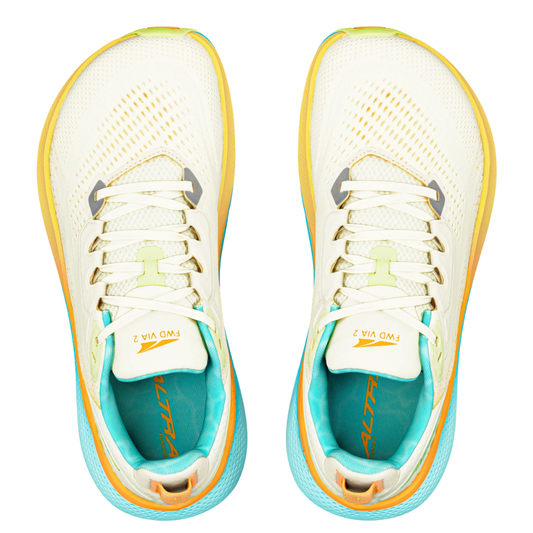
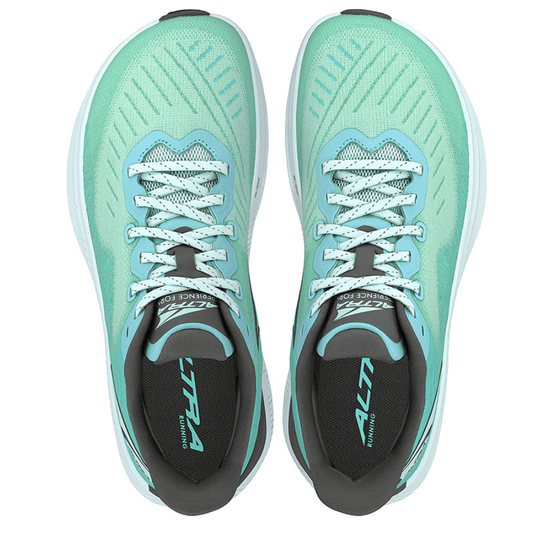
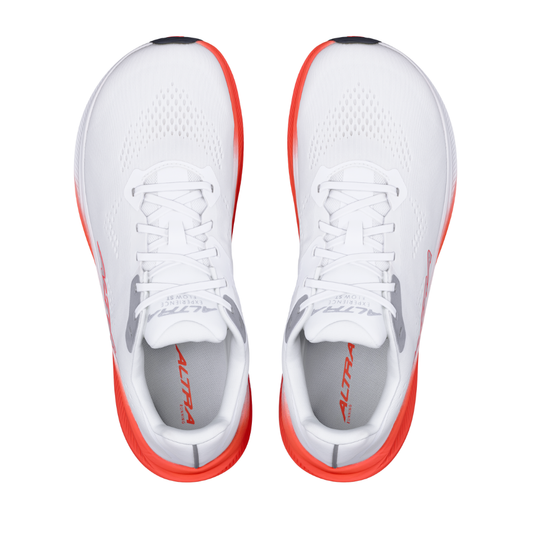
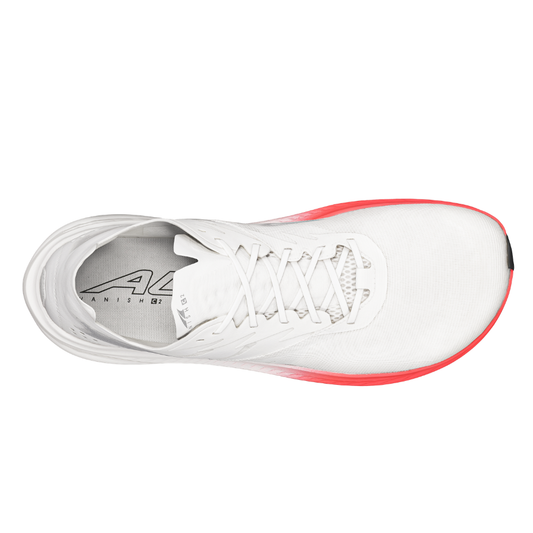
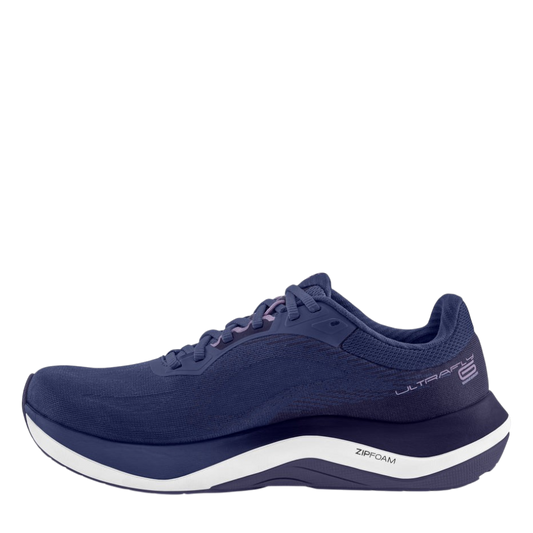
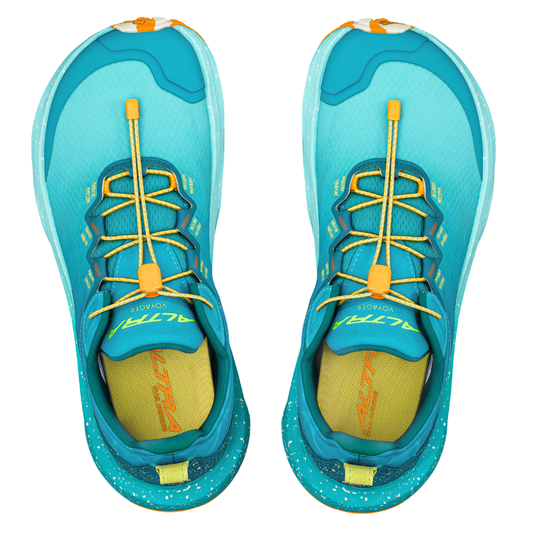
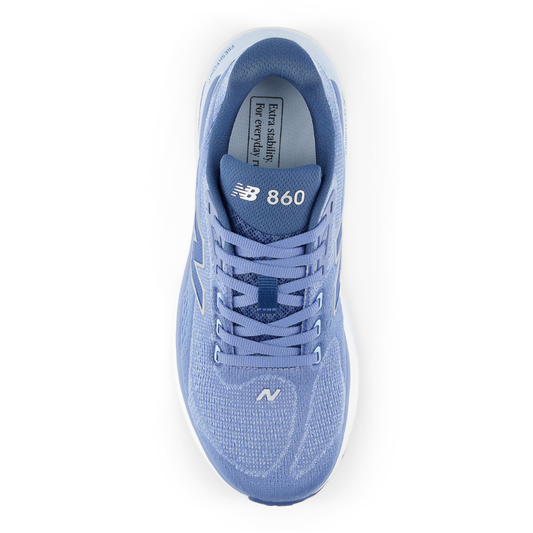
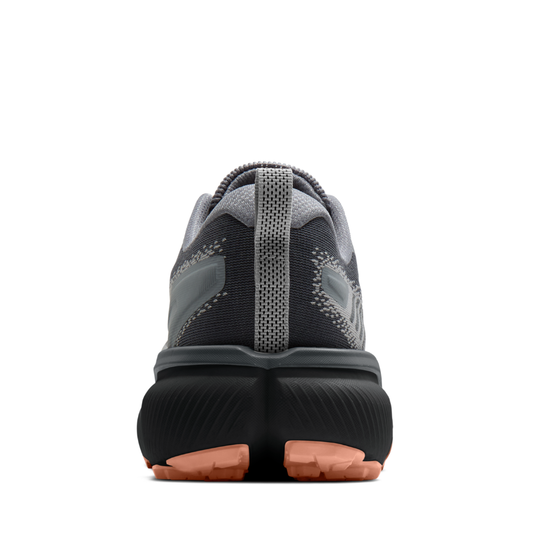
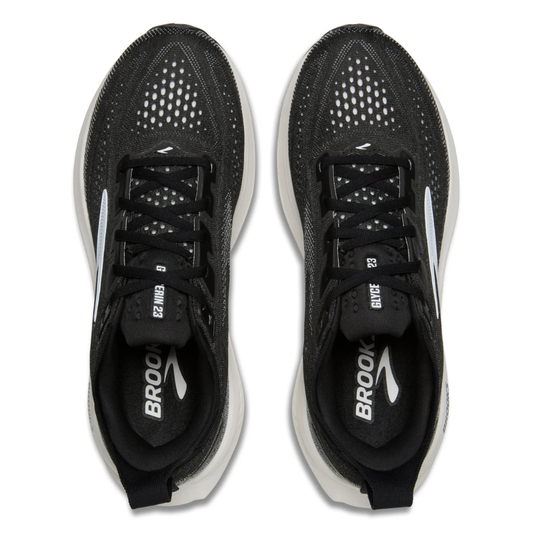
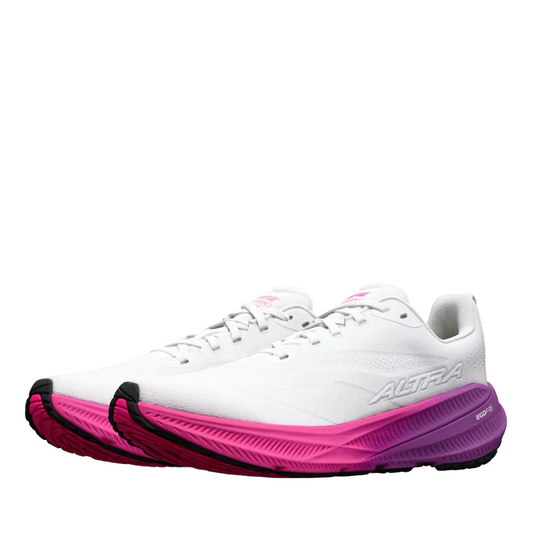
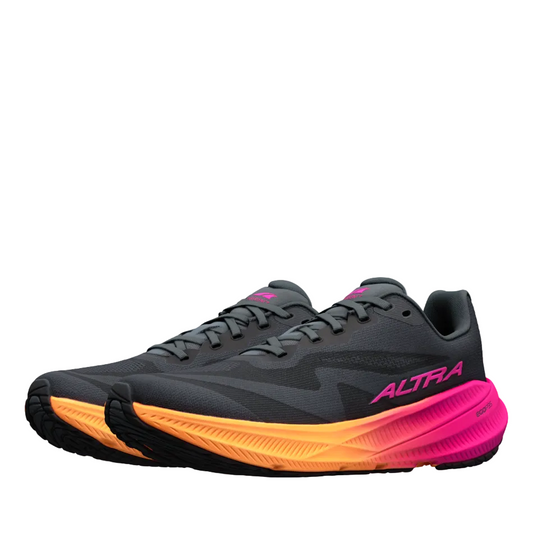
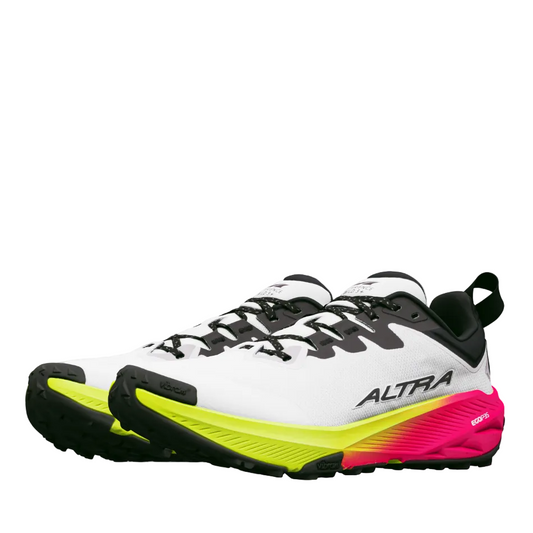
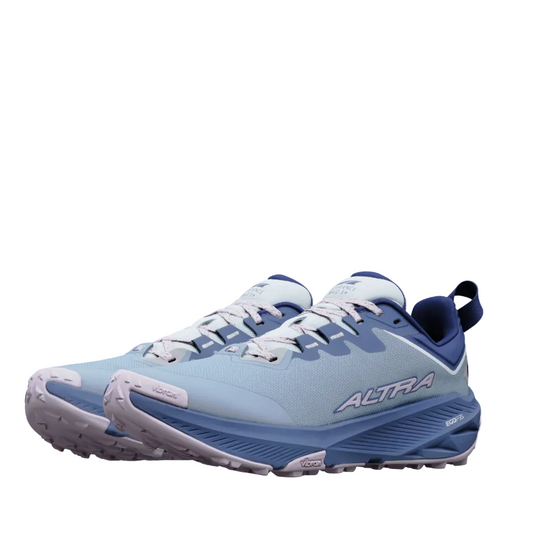
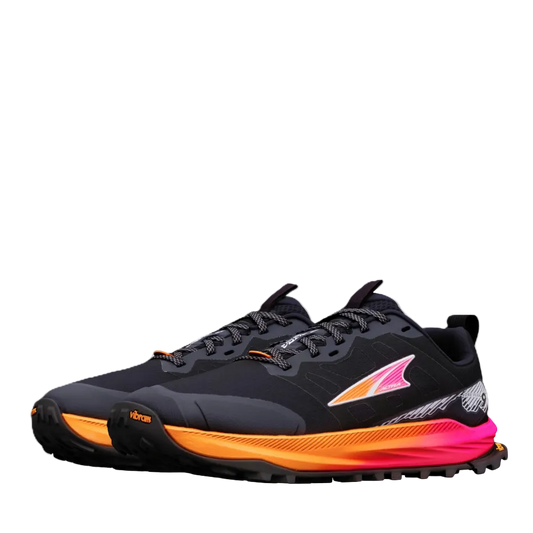
Our women's wide fit collection includes cushioned daily trainers, long-run favourites and support shoes for runners who overpronate. The leading running brands now offer many of their most popular models in wide fittings, so you can run in the shoe you love with the fit you need.
Not sure which fit is right for you?
Our team are runners first. Pop into your nearest Up & Running store for a free gait analysis and a proper fitting, or contact us for advice on finding the right shoe in the right width. Shopping for someone else?
Frequently Asked Questions
How do I know if I need wide fit running shoes?
How do I know if I need wide fit running shoes?
Common signs include your little toe pressing against the side of the shoe, blisters or hot spots on the edges of your feet, numbness or tingling across the forefoot, and visible bulging of the upper over the sole. If loosening your laces doesn't solve it, a wider fit probably will.
What do D and 2E mean in women’s running shoes?
What do D and 2E mean in women’s running shoes?
Women's running shoes typically come in a standard B width. D is the wide fitting and 2E is extra wide. Each width adds room across the forefoot and toe box while keeping the same length and heel fit.
Should I size up instead of buying a wide fit?
Should I size up instead of buying a wide fit?
No. Going up a size adds length rather than width, which can cause heel slip and toe stubbing. A wide fit gives you room where you actually need it while keeping the shoe secure everywhere else.
Are wide fit running shoes good for bunions?
Are wide fit running shoes good for bunions?
Yes. The roomier forefoot reduces pressure on bunions and lets your toes sit naturally, which makes a real difference on longer runs. For persistent foot problems, we'd recommend combining the right footwear with advice from a podiatrist.
Do my feet swell when I run, and does width help?
Do my feet swell when I run, and does width help?
Feet naturally swell during longer runs, sometimes by up to half a size. A wide fit accommodates that swelling without your shoes becoming tight and uncomfortable mid-run, which is one reason many marathon runners choose a wider fitting.
Can I get fitted for wide fit running shoes in store?
Can I get fitted for wide fit running shoes in store?
Yes. Visit any Up & Running store for free gait analysis and expert fitting. We'll measure your feet, assess how you run and find the right shoe and width for you.