









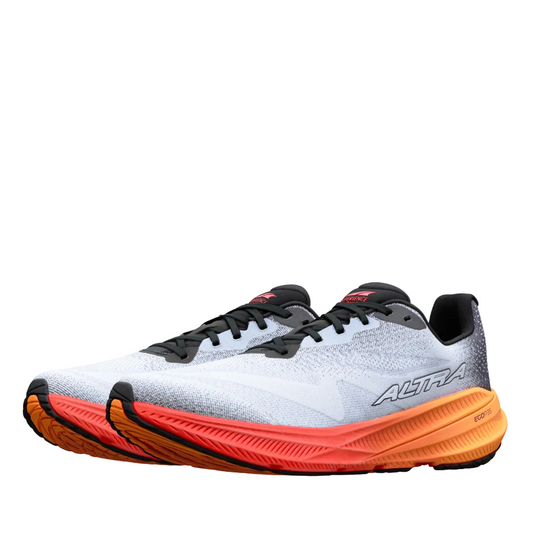

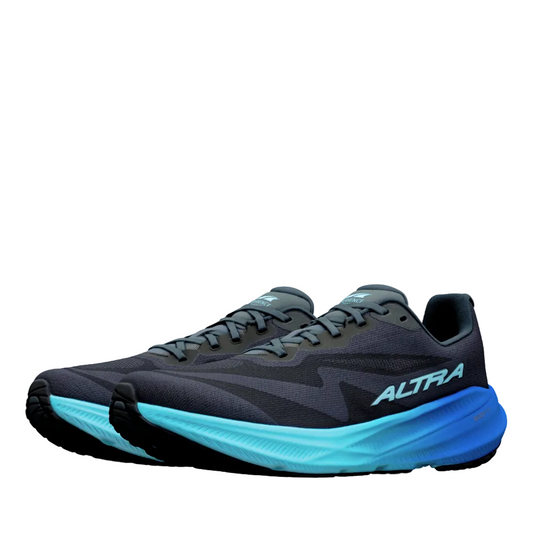

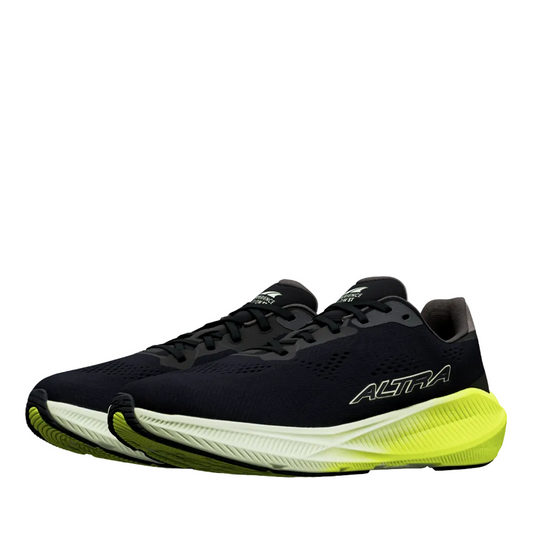


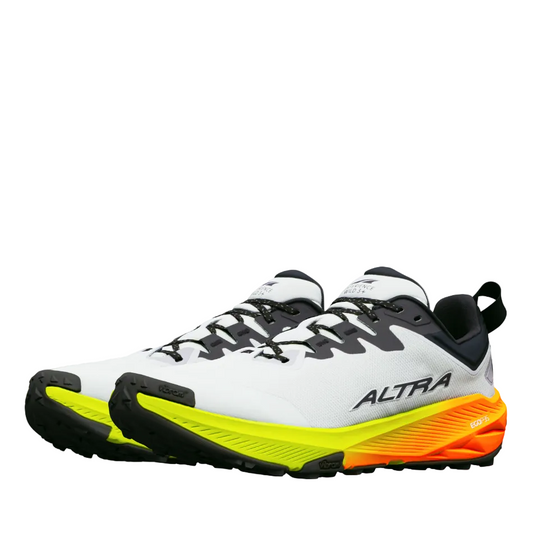







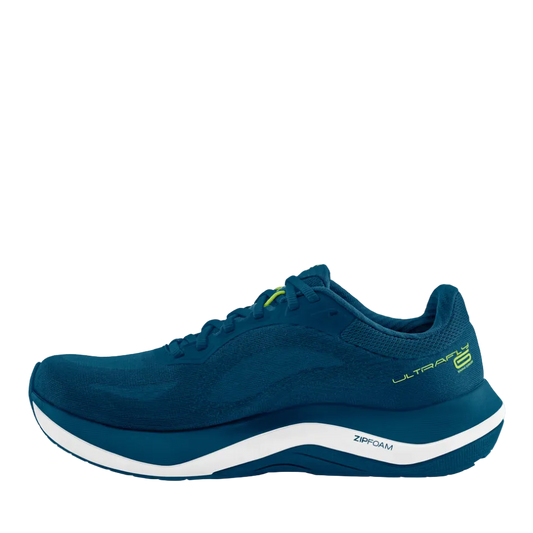
Men's Running Shoes for Wide Feet: Find Your Perfect Fit
Why choose wide fit running shoes?
Standard width running shoes don't work for everyone. If your feet feel cramped across the forefoot, your toes rub against the sides, or you regularly deal with blisters, black toenails or numbness on the run, a wide fit could be the answer. Men's wide fit running shoes are built on a broader last, giving your forefoot and toes room to splay naturally as you land and push off. The result is better comfort, better stability and fewer of the niggles that interrupt training.
Understanding running shoe widths
Most men's running shoes come in a standard D width. Wide fit versions are labelled 2E, with extra wide options labelled 4E for runners who need maximum room. The rest of the shoe stays the same, so you get the same midsole cushioning, outsole grip and upper technology as the standard model, just with a roomier fit through the forefoot and toe box. If you're between widths, or you use orthotics or insoles, moving up a width is often more effective than going up a size.
Wide fit shoes for every type of run
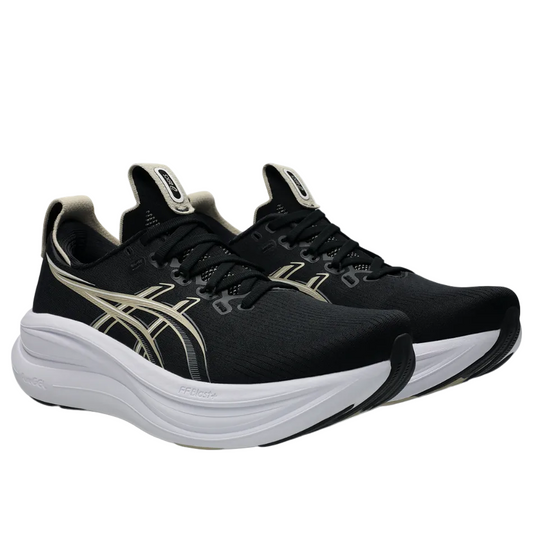
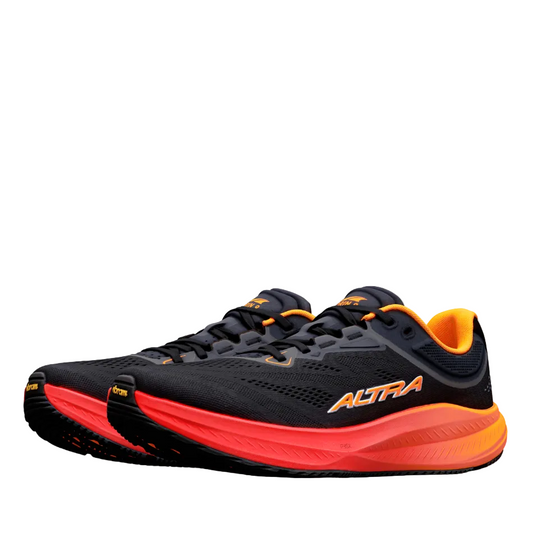
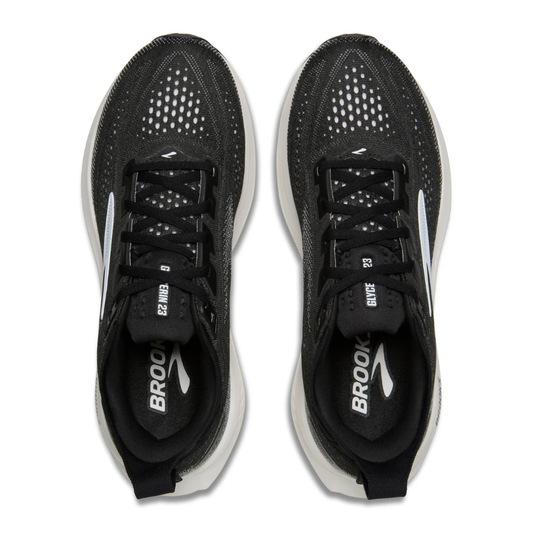
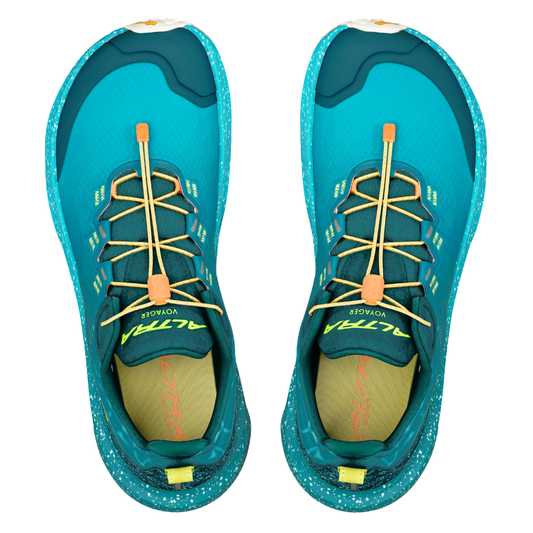
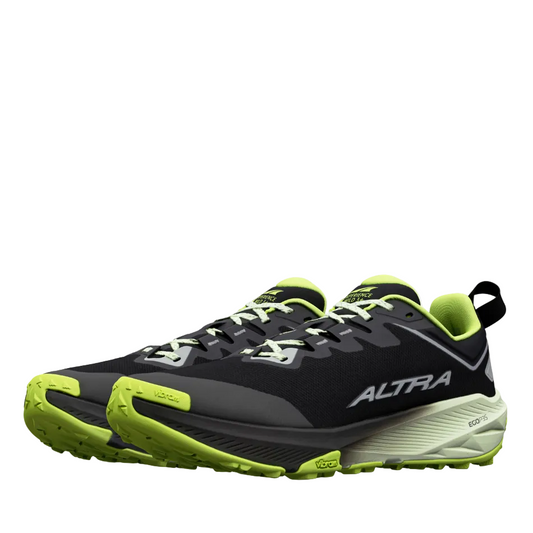
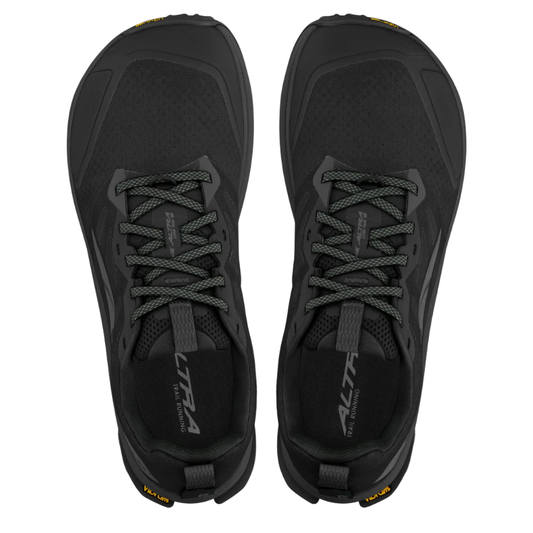
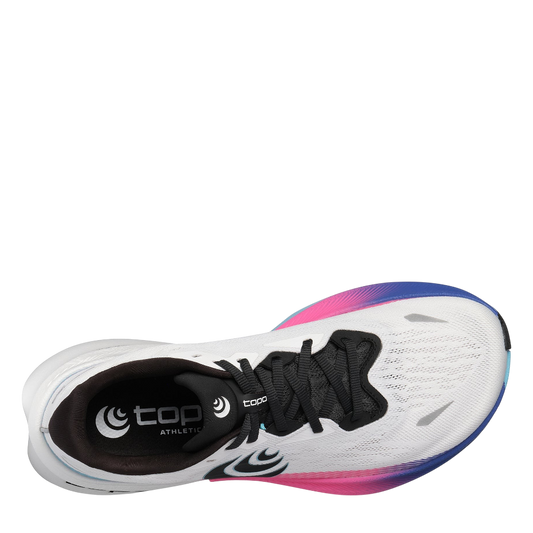
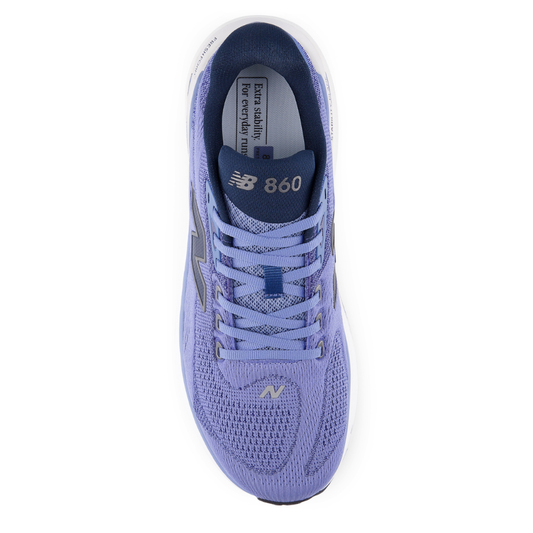
Our men's wide fit collection covers everyday training shoes, cushioned long-run options and support shoes for runners who overpronate. Many of the most popular models from the leading running brands are available in wide fittings, so choosing a wide fit no longer means compromising on choice.
Not sure which fit is right for you?
Our team live and breathe running. Visit your nearest Up & Running store for a free gait analysis and expert fitting, or get in touch and we'll help you find the right shoe, in the right width, for the way you run. Looking for a wider fit for someone else? Shop our women's wide fit running shoes too.
Frequently Asked Questions
How do I know if I need wide fit running shoes?
How do I know if I need wide fit running shoes?
Common signs include your little toe pressing against the side of the shoe, blisters or hot spots on the edges of your feet, numbness or tingling across the forefoot, and visible bulging of the upper over the sole. If loosening your laces doesn't solve it, a wider fit probably will.
What do 2E and 4E mean in men’s running shoes?
What do 2E and 4E mean in men’s running shoes?
Width fittings run from narrow to extra wide. For men's running shoes, D is standard, 2E is wide and 4E is extra wide. Each step up adds room across the forefoot and toe box while keeping the same heel fit and overall length.
Should I buy a bigger size instead of a wide fit?
Should I buy a bigger size instead of a wide fit?
No. Sizing up adds length, not width, so you end up with extra space at the toe and heel slip at the back. A wide fit adds room exactly where you need it, across the forefoot, while keeping the correct length and a secure heel.
Are wide fit running shoes good for bunions or wide toe splay?
Are wide fit running shoes good for bunions or wide toe splay?
Yes. The extra forefoot room reduces pressure on bunions and lets your toes splay naturally on impact, which many runners find more comfortable over long distances. If you have a specific foot condition, it's worth pairing the right shoe with advice from a podiatrist.
Do wide fit running shoes perform differently?
Do wide fit running shoes perform differently?
No. Wide fit versions use the same midsole, outsole and upper technologies as the standard model. The only difference is the fit, so you get the same cushioning, energy return and durability with more room for your foot.
Can I get a fitting for wide fit running shoes in store?
Can I get a fitting for wide fit running shoes in store?
Yes. Every Up & Running store offers free gait analysis and expert fitting. We'll measure your feet, watch how you run and recommend the right shoe and width for you.